Essential Guide to Roof Ceramic Sealant Solutions

When it comes to maintaining the integrity of your roof, choosing the right sealant can make all the difference. Roof ceramic sealants are designed to protect your home from the elements, extend the lifespan of your roofing materials, and improve energy efficiency. In this guide, we will explore the various types of roof ceramic sealants, their applications, benefits, and tips for choosing the right one for your needs.
Understanding Roof Ceramic Sealants
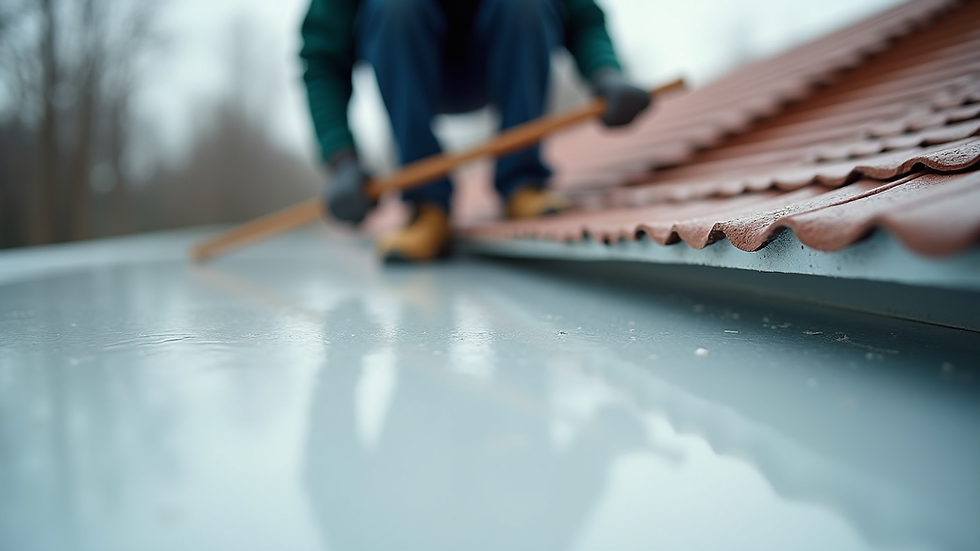
Roof ceramic sealants are specialized products that create a protective barrier on roofing surfaces. They are typically made from a combination of ceramic materials and polymers, which provide durability and flexibility. These sealants are designed to withstand harsh weather conditions, UV radiation, and temperature fluctuations.
Types of Roof Ceramic Sealants
Acrylic Sealants
Description: Acrylic sealants are water-based and easy to apply. They are suitable for a variety of roofing materials, including asphalt, metal, and concrete.
Benefits: They offer excellent UV resistance and are flexible, making them ideal for areas with temperature changes.
Silicone Sealants
Description: Silicone sealants are known for their superior waterproofing capabilities. They adhere well to most surfaces and remain flexible over time.
Benefits: They are resistant to mold and mildew, making them a great choice for humid climates.
Polyurethane Sealants
Description: Polyurethane sealants provide a strong bond and are highly durable. They are often used in commercial roofing applications.
Benefits: They offer excellent resistance to chemicals and abrasion, making them suitable for industrial environments.
Elastomeric Sealants
Description: Elastomeric sealants are designed to expand and contract with temperature changes. They are often used on flat roofs.
Benefits: They provide a seamless waterproof barrier and can help reduce energy costs by reflecting sunlight.
Benefits of Using Roof Ceramic Sealants
Using roof ceramic sealants offers several advantages:
Protection Against Water Damage: Sealants create a waterproof barrier that prevents leaks and water infiltration.
Energy Efficiency: Many sealants reflect sunlight, reducing heat absorption and lowering cooling costs.
Extended Roof Lifespan: By protecting roofing materials from UV rays and weather elements, sealants can significantly extend the life of your roof.
Mold and Mildew Resistance: Certain sealants are formulated to resist mold and mildew growth, ensuring a healthier environment.
How to Choose the Right Roof Ceramic Sealant
Selecting the right sealant for your roof involves considering several factors:
Roof Material: Different sealants work better with specific roofing materials. Ensure compatibility with your roof type.
Climate: Consider the weather conditions in your area. For example, silicone sealants are ideal for humid climates, while acrylic sealants work well in dry areas.
Application Method: Some sealants require professional application, while others can be applied DIY. Choose one that fits your skill level.
Durability: Look for sealants that offer long-lasting protection and come with warranties.
Application Tips for Roof Ceramic Sealants
Applying roof ceramic sealants correctly is crucial for achieving optimal results. Here are some tips:
Clean the Surface: Ensure the roof surface is clean and free of debris before application. This helps the sealant adhere better.
Follow Manufacturer Instructions: Always read and follow the manufacturer's guidelines for application and curing times.
Use the Right Tools: Depending on the sealant type, you may need brushes, rollers, or spray equipment for application.
Apply in Suitable Weather: Avoid applying sealants in extreme temperatures or during rain. Ideal conditions are dry and mild.
Common Mistakes to Avoid
When applying roof ceramic sealants, be mindful of these common pitfalls:
Skipping Surface Preparation: Failing to clean the roof surface can lead to poor adhesion and reduced effectiveness.
Over-application: Applying too much sealant can cause pooling and may not cure properly.
Ignoring Safety Precautions: Always wear protective gear and ensure proper ventilation when working with sealants.
Maintenance of Sealed Roofs
Once your roof is sealed, regular maintenance is essential to ensure its longevity:
Inspect Regularly: Check for signs of wear, such as cracks or peeling, and address them promptly.
Clean Gutters: Keep gutters clear of debris to prevent water buildup and potential leaks.
Reapply as Needed: Depending on the sealant type and environmental factors, you may need to reapply sealant every few years.
Conclusion
Choosing the right roof ceramic sealant is vital for protecting your home from the elements and ensuring the longevity of your roofing materials. By understanding the different types of sealants, their benefits, and proper application techniques, you can make an informed decision that will enhance your roof's performance. Remember to conduct regular maintenance and inspections to keep your roof in top condition. Take action today to safeguard your home with the right sealant solution.

Comments